
When You Should Schedule an Exterior Paint Upgrade: All You Need to Know
The exterior of your home faces sunlight, rain, dust, and wind every single day. Over time, these natural elements wear down the paint and damage the surface. A faded or peeling wall not only looks dull but also loses its ability to protect the structure. Many homeowners delay exterior painting until the damage becomes too obvious, but acting early makes a big difference.
Fresh paint gives your home a cleaner look and protects it from weather-related harm. It also helps raise the value of your property. More importantly, an early paint upgrade prevents larger issues that cost more to fix later. Many people wonder when the right time for repainting arrives. If you notice small changes in color or texture, it may already be time to act. Let’s look at the signs and ideal time to schedule an exterior paint upgrade.
Common Signs That Call for a New Paint Job
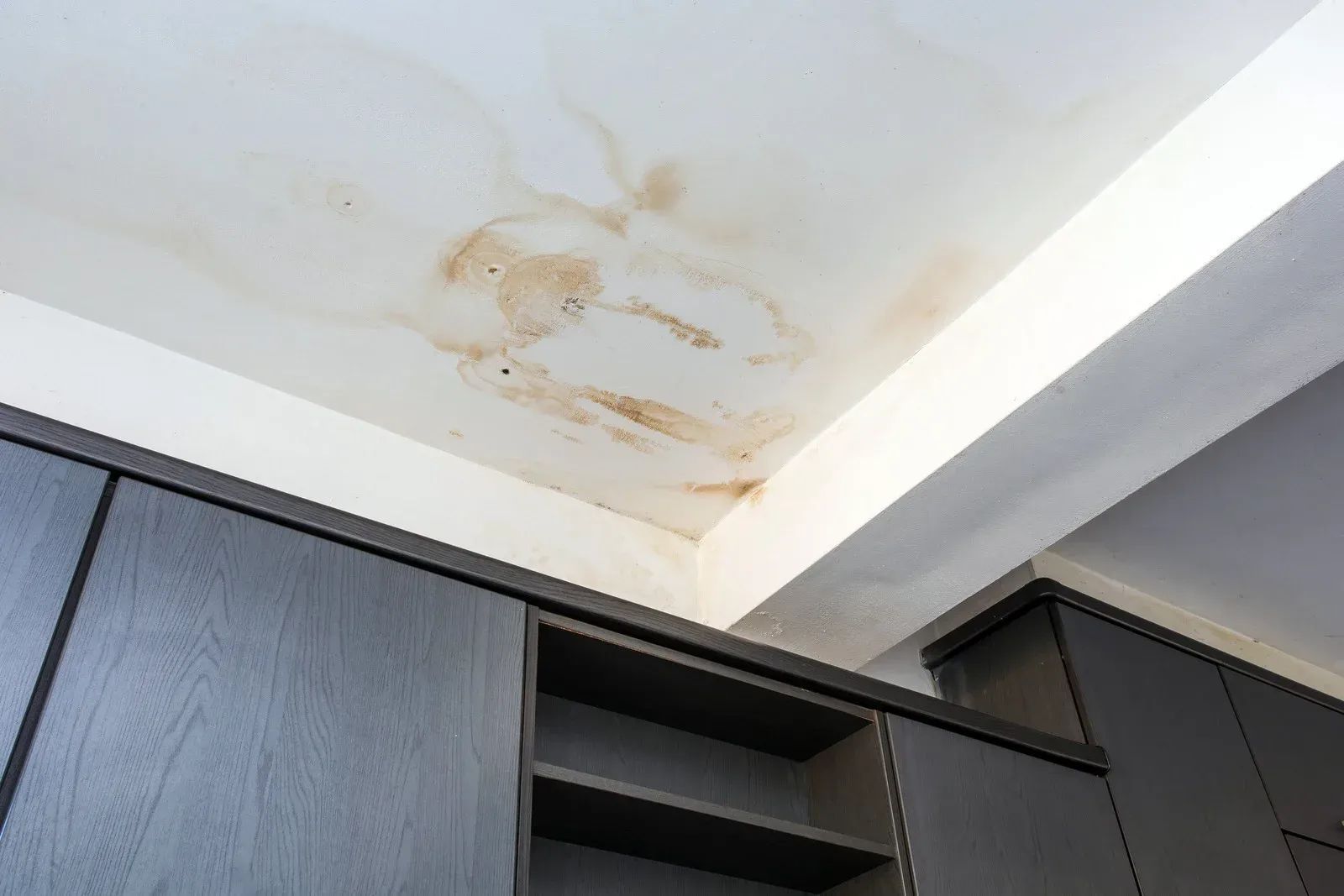
Peeling, cracking, or bubbling paint are clear signs that your walls need attention. These changes appear when paint loses its grip on the surface. Once this begins, moisture and dirt can easily get in, which may lead to deeper damage.
Another important sign is faded color. Strong sunlight breaks down the color over time, which leaves your home looking worn out. If you compare hidden spots with the rest of the wall, you’ll often notice a big difference in shade. That’s a sure signal that a new coat of paint is due.
If the walls feel chalky when touched, the paint has likely started to break down. This means it can no longer protect the surface and should be replaced soon.
The Right Time Depends on the Weather
Weather plays a major role in painting results. Always choose dry, mild days to schedule a paint upgrade. Paint dries faster and sticks better in stable weather. Rain, humidity, or very cold air can ruin the finish and cause early peeling.
Spring and early fall offer the best conditions in most places. The temperature remains balanced, and there’s less chance of moisture in the air. Plan ahead and choose a time when the forecast looks clear for several days in a row.
How Often Should You Repaint the Exterior?
The timing between two paint jobs depends on several things. The type of surface and the quality of the previous paint matter the most. For example, wood often needs repainting every 3 to 7 years. Brick and cement walls can go longer, usually 8 to 10 years.
If your home is in a coastal area or near a factory zone, you may notice signs of wear much sooner. Dust, salt, and pollutants speed up the damage, so regular checks are helpful.
Timely Painting Can Lower Long-Term Costs
Fresh paint does more than improve looks; it adds a layer of safety. It keeps moisture, sunlight, and dirt away from the surface, helping you avoid bigger repair work in the future. Once the paint starts to break, the damage spreads fast. A timely coat prevents cracks, mold, and surface leaks. Spending a bit now can save you a lot later.
An exterior paint upgrade keeps your home strong, clean, and attractive. At T-Rob Roofing and Painting Services, we serve clients across Brookhaven & Jackson, Mississippi with top-quality
exterior painting solutions. Our services include comprehensive surface preparation, custom color matching, and specialized coatings for durability.