
Signs You Might Need a New Roof: How to Know the Right Time
Knowing when a roof has reached the end of its service life is one of the most important decisions a homeowner can make, because the timing directly affects safety, structural integrity, and long-term financial planning. While minor leaks or cosmetic flaws may seem harmless at first, they often signal developing problems beneath shingles, underlayment, and decking. Understanding the early warning signs helps property owners act proactively, avoid emergency failures, and invest in replacements at the right stage rather than reacting after costly damage has already occurred inside interior spaces and building components over time, especially during severe weather seasons annually. These evaluations become especially crucial for homes exposed to heavy rainfall, coastal humidity, or prolonged sun exposure, where aging materials deteriorate faster and subtle weaknesses evolve into serious failures that threaten insulation performance, indoor comfort, and ongoing maintenance budgets annually.
This guide explains the most reliable indicators that suggest a roof may need to be replaced, combining practical inspection guidance with industry-backed reasoning and real-world examples. Each section focuses on how visible deterioration, age-related wear, moisture intrusion, and performance failures reveal the broader condition of roofing systems. By recognizing patterns rather than isolated symptoms, homeowners can make informed, budget-smart decisions and work confidently with professional contractors. The goal is to clarify when repairs are reasonable and when full replacement delivers greater durability, protection, and value for the home in the years ahead while reducing risks from hidden structural deterioration overall. It also emphasizes scheduling professional inspections at regular intervals, documenting past repairs, and comparing recurring issues across seasons so homeowners can confidently determine whether continued patchwork is practical or a comprehensive roof replacement will deliver stronger protection and long-term costs.
1. Roof Age and Material Lifespan — Understanding Natural Wear
Granule Loss, Curling, and Cracking
Every roofing material follows a predictable lifecycle based on climate exposure, installation quality, and maintenance history. Asphalt shingles typically last 20–25 years, architectural shingles may extend beyond 30, while metal and tile systems can perform significantly longer. When a roof approaches the end of its expected lifespan, deterioration accelerates because protective granules wear away, sealants lose elasticity, and underlayment weakens.
Even if there are no major leaks, age itself can be a decisive factor. A roof that is decades old may still appear functional on the surface, yet its internal layers can be brittle and vulnerable. This is why many homeowners opt for replacement before catastrophic failure occurs. Addressing aging signs early ensures predictable repair planning and helps avoid unexpected roof emergencies.
When Age Signals Replacement Rather Than Repair
If a roof is older than neighboring homes built in the same period, has already undergone multiple repairs, or shows widespread surface fatigue, replacement is usually more cost-efficient than continued patchwork maintenance. Homeowners also benefit from modern roofing technologies that provide improved energy efficiency, weather resistance, and longer warranties. Choosing replacement at the right time also reduces lifetime maintenance expenses and increases long-term structural reliability.
2. Persistent Leaks and Water Intrusion — Hidden Damage Beneath the Surface
Why Recurrent Leaks Are a Red Flag
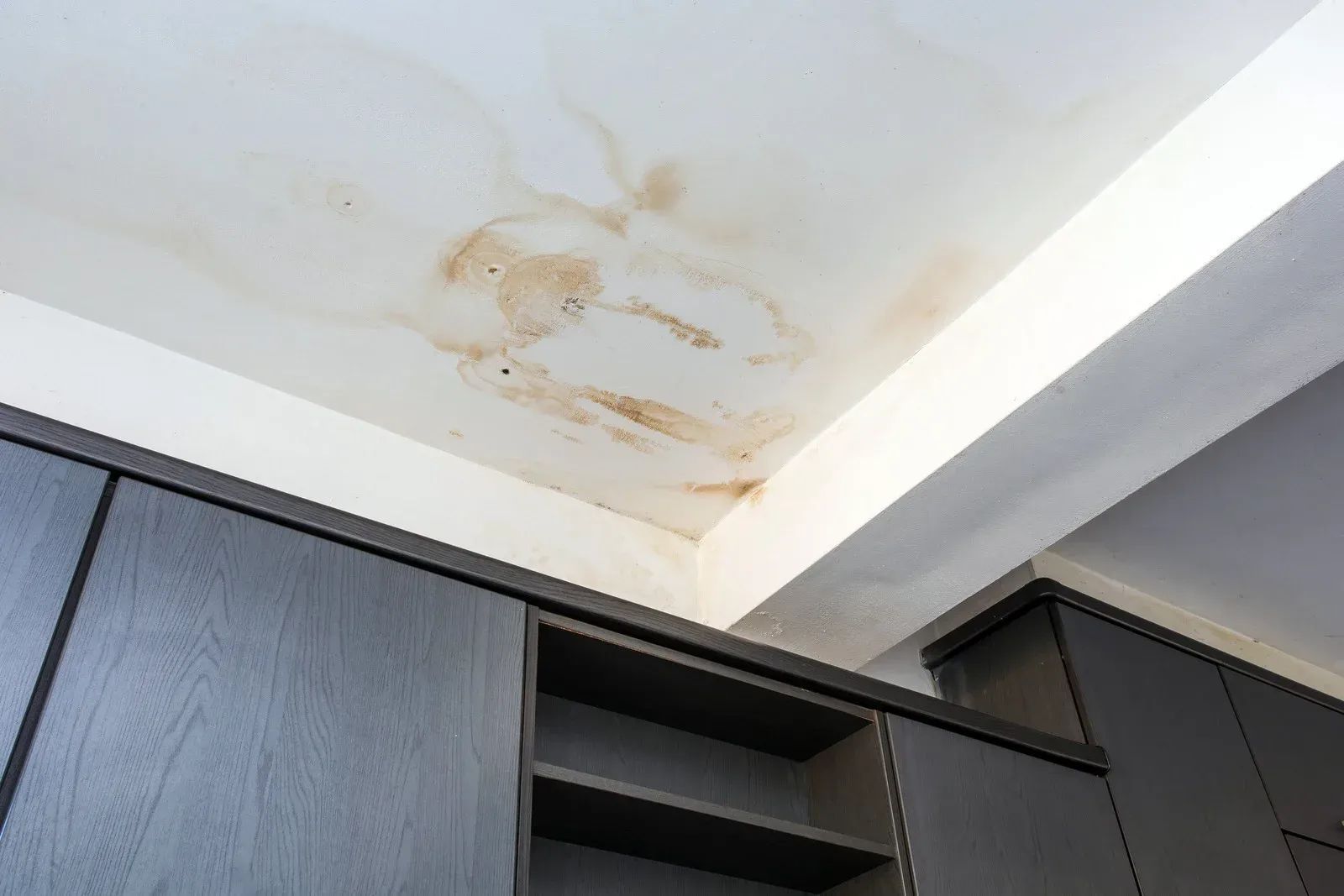
Occasional leaks during severe storms can sometimes be resolved with localized repairs. However, repeated leaks in multiple rooms, ceiling stains that reappear after repairs, or moisture streaks along walls and attic spaces indicate deeper system failure. Water rarely enters in a straight path; it travels through decking, insulation, and framing before becoming visible indoors. By the time stains or bubbling paint appear, damage may already exist inside structural components. If moisture continues spreading undetected, it can weaken framing connections and compromise interior finishes over time.
Attic and Interior Indicators to Watch
Signs that suggest major roofing deterioration include:
- Damp or compressed insulation
- Mold or mildew development
- Rotting wood near rafters or sheathing
- Musty odors after rainfall
These symptoms demonstrate that moisture is circulating throughout roofing layers instead of being blocked at the surface. In such cases, replacing the roof prevents escalating structural repairs, improves indoor air quality, and restores long-term protection for the property. A timely roof upgrade also helps stop recurring leak cycles that gradually erode the home’s structural integrity.
3. Shingle Failure, Structural Fatigue, and Surface Deformation
Granule Loss, Curling, and Cracking
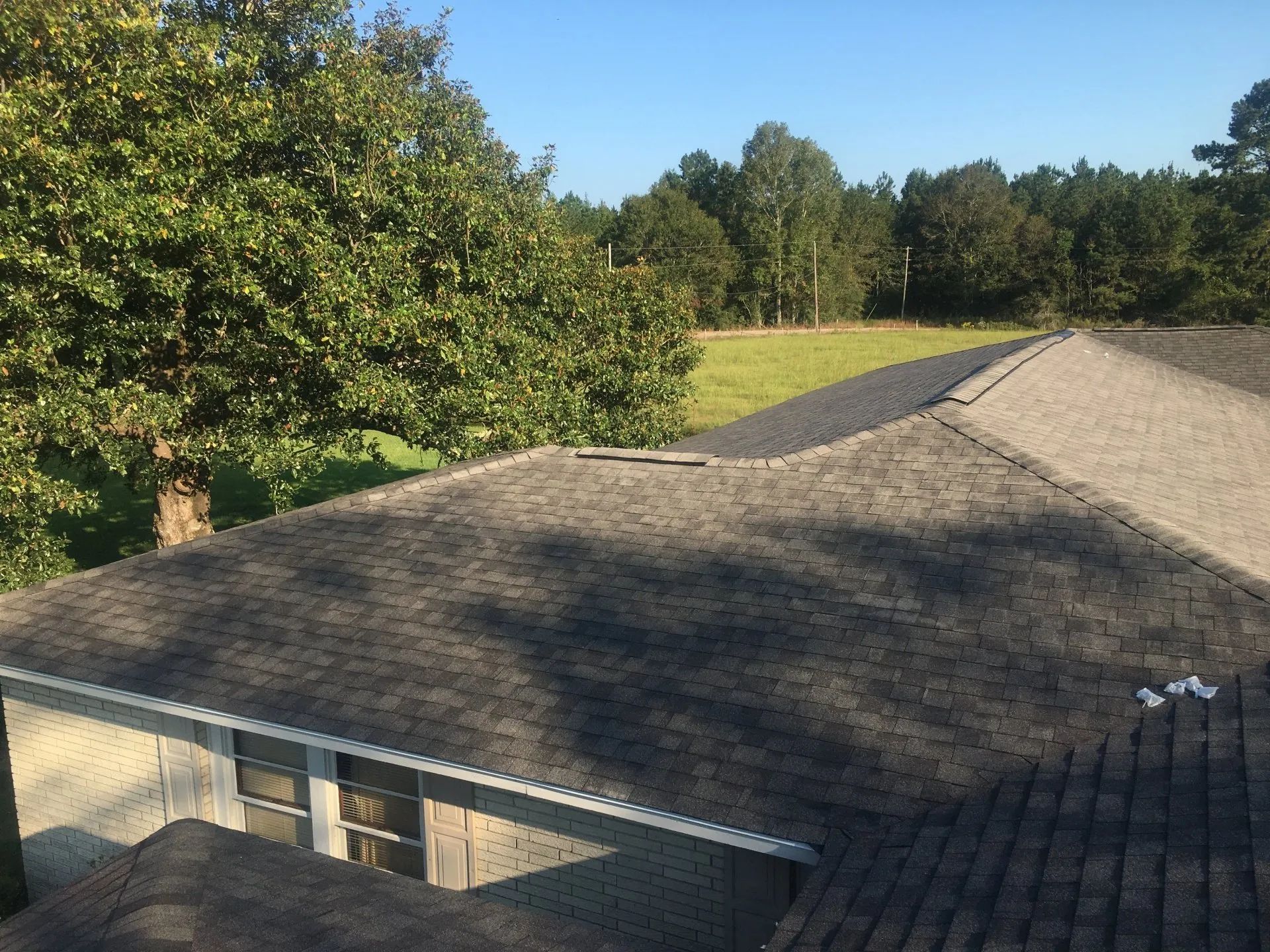
Shingles play a protective role by shielding underlayment from UV rays and moisture. When they begin curling, cracking, blistering, or shedding granules, the roof loses its weather-resistant barrier. Large sections of worn shingles do not just reflect surface aging — they often indicate that supportive layers beneath are stressed or deteriorating.
Granule accumulation in gutters is another sign that shingles are disintegrating. Over time, this exposes tar layers, leading to accelerated heat absorption and quicker aging. Left unaddressed, these conditions allow water to penetrate more easily, increasing the likelihood of leaks and deeper structural impact.
Sagging or Uneven Rooflines
A sagging roof deck or visible dip across ridge lines suggests structural fatigue, often caused by long-term moisture intrusion or deteriorating support beams. This condition requires immediate evaluation because it signals weakening beneath the roofing surface.
In scenarios where sagging and shingle deterioration appear together, replacement becomes the safest and most reliable corrective measure, ensuring stability and preventing future collapse risks. Prompt intervention also safeguards occupants and preserves the overall structural framework of the home.
4. Energy Efficiency Decline and Poor Climate Performance
When the Roof Impacts Heating and Cooling Costs
Aging roofs lose insulation effectiveness and ventilation balance. Hot air may become trapped in attic spaces during summer, while heat escapes more rapidly in winter. This leads to fluctuating indoor temperatures, increased utility bills, and reduced HVAC efficiency.
In many homes, these issues stem from outdated roofing materials combined with weakened underlayment and inadequate ventilation channels. Over time, this energy loss places additional strain on heating and cooling systems, shortening their operational lifespan.
How Replacement Improves Performance
A new roof allows the integration of:
- Modern reflective shingles
- Balanced intake and exhaust ventilation
- Moisture-resistant underlayment
- Better attic airflow systems
Beyond durability benefits, these upgrades contribute to improved comfort, noise reduction during storms, and smoother year-round climate performance. Homeowners also gain the advantage of better insulation control, resulting in more consistent indoor living conditions.
5. Safety Risks, Insurance Considerations, and Long-Term Property Value
When Risk Exposure Outweighs Repair Costs
Older or deteriorated roofs increase the likelihood of:
- Storm-related shingle loss
- Structural sagging or collapse in heavy rain
- Interior mold growth from long-term moisture
- Electrical hazards caused by ceiling leaks
Insurance providers often evaluate roof age and condition when determining coverage eligibility. In many cases, repeated claims or evident neglect may reduce policy protection or increase premiums. A well-maintained or newly replaced roof demonstrates proactive ownership, which may support better coverage terms.
Why Timely Replacement Protects Investment Value
A professionally installed new roof strengthens structural resilience and enhances curb appeal, while also supporting resale value. Prospective buyers frequently request roofing documentation during inspections, and a newly replaced system provides reassurance that the home is protected for years ahead.
Acting at the right time prevents emergency replacement under stressful conditions and gives homeowners the advantage of planned budgeting, material selection, and workmanship quality. This strategic approach ensures both immediate safety and long-term financial value for the property.
Recognizing the right moment to transition from repair to full roof replacement requires attention to more than isolated symptoms. Roof age, recurring leaks, widespread shingle deterioration, uneven rooflines, and declining energy efficiency each reveal how well the entire roofing system is performing as a whole. When these indicators appear together or progress over time, replacement becomes a proactive investment rather than a reactive expense. Making an informed decision at the appropriate stage preserves structural stability, protects interior spaces, and ensures the home remains safe, comfortable, and resilient during changing weather conditions. Partnering with experienced roofing professionals allows homeowners to evaluate findings accurately, plan ahead with confidence, and choose solutions that balance durability, performance, and long-term value.
Why Timely Replacement Protects Investment Value
When Risk Exposure Outweighs Repair Costs
Older or deteriorated roofs increase the likelihood of:
- Storm-related shingle loss
- Structural sagging or collapse in heavy rain
- Interior mold growth from long-term moisture
- Electrical hazards caused by ceiling leaks
Insurance providers often evaluate roof age and condition when determining coverage eligibility. In many cases, repeated claims or evident neglect may reduce policy protection or increase premiums. A well-maintained or newly replaced roof demonstrates proactive ownership, which may support better coverage terms