
Step-by-Step Metal Roof Installation: What Homeowners Can Expect
Investing in a metal roof is a significant decision for homeowners looking to enhance the durability, energy efficiency, and aesthetic appeal of their property. Unlike traditional asphalt shingles, metal roofing offers longevity, resistance to extreme weather, and a modern appearance that can elevate a home’s overall value. However, understanding the installation process is crucial for homeowners to make informed choices and prepare for a seamless roofing experience. Knowing what to expect from start to finish reduces surprises, ensures safety, and allows better planning for budget and scheduling considerations.
Metal roof installation involves more than simply laying panels on a roof deck. It requires careful preparation, precise measurements, specialized tools, and adherence to manufacturer guidelines to guarantee optimal performance and warranty compliance. For homeowners, understanding each step—from initial assessment and material selection to final inspection—provides clarity and confidence in the project’s outcome. This guide breaks down the process into manageable steps, highlighting key considerations, potential challenges, and best practices. By following a systematic approach, homeowners can anticipate the workflow, protect their investment, and enjoy the benefits of a long-lasting, visually appealing metal roof.
Pre-Installation Preparation
Assessing the Roof Structure
Before any materials are delivered, evaluating the existing roof structure is critical. This includes checking for damaged decking, weak spots, or structural concerns that could compromise the metal roof’s integrity. Proper assessment ensures the roof can support the weight of metal panels, which, although lighter than traditional shingles, require a strong and stable foundation. Inspection also identifies areas that may require reinforcement or repair before installation begins.
Selecting the Right Metal Roofing Material
Metal roofing comes in various materials, including steel, aluminum, copper, and zinc, each offering distinct advantages. Steel provides strength and affordability, aluminum resists corrosion in coastal environments, and copper develops a unique patina over time. Considerations like climate, roof pitch, aesthetic preference, and long-term maintenance play a pivotal role in material selection. Choosing the right material ensures durability, optimal performance, and alignment with the home’s architectural style.
Preparing the Site
Proper site preparation improves efficiency and safety during installation. Remove any existing roofing materials, debris, and obstacles from the work area. Secure tools and materials nearby but safely out of high-traffic zones. Ensuring clear access to gutters, vents, and eaves simplifies the installation process and reduces the risk of damage. Protective coverings for landscaping, walkways, and outdoor furniture prevent costly accidents or stains.
Obtaining Necessary Permits
Metal roof installation may require local building permits. Consult local regulations to confirm compliance with building codes, energy efficiency requirements, and manufacturer installation guidelines. Obtaining permits ahead of time prevents delays and ensures the project follows legal and safety standards.
By completing thorough pre-installation preparation, homeowners establish a strong foundation for a smooth and efficient metal roof installation process.
Underlayment and Insulation
Installing Roof Underlayment
Once the roof structure is inspected and prepared, the next step is laying down underlayment. Underlayment provides an additional layer of protection against moisture infiltration, ice dams, and wind-driven rain. Synthetic underlayment, often preferred for metal roofing, offers lightweight durability, tear resistance, and superior water resistance compared to traditional felt paper. Properly overlapping seams and securing underlayment with corrosion-resistant fasteners prevents leaks and maximizes longevity.
Adding Insulation for Energy Efficiency
Insulation beneath metal roofing enhances energy efficiency by regulating indoor temperatures. Spray foam, rigid boards, or reflective insulation can reduce heat transfer, lower cooling costs, and improve overall comfort. Insulation placement requires attention to ventilation to avoid condensation buildup, which can damage the roof deck or metal panels over time. Proper ventilation, combined with insulation, ensures a balanced roofing system that performs efficiently year-round.
Flashing Installation
Flashing protects vulnerable areas where roof planes intersect, such as chimneys, vents, and skylights. Using durable, corrosion-resistant flashing materials prevents water penetration at critical junctions. Secure installation with appropriate sealants ensures long-term protection. Correct flashing placement is essential for warranty compliance and optimal roof performance, reinforcing the roof’s overall weather-resistant capabilities.
By carefully installing underlayment, insulation, and flashing, the roof is prepared to support metal panels effectively while ensuring moisture protection and energy efficiency.
Metal Panel Installation
Measuring and Cutting Panels
Accurate measurements are fundamental to a successful metal roof installation. Panels must fit precisely to avoid gaps, overlaps, or misalignment that can lead to leaks or aesthetic issues. Measure roof length, width, and pitch, and account for expansion and contraction of metal due to temperature fluctuations. Cutting panels to size with precision tools minimizes waste and ensures clean edges.
Securing Panels to the Roof Deck
Metal panels are typically installed from the bottom edge of the roof upward. Fasteners, usually self-drilling screws with rubber washers, attach panels securely to the roof deck. Proper fastening techniques prevent panel movement, leaks, or wind uplift. Panels should be aligned with consistent spacing and interlocking where required. Adhering to manufacturer guidelines is crucial for warranty compliance and structural integrity.
Handling Roof Transitions
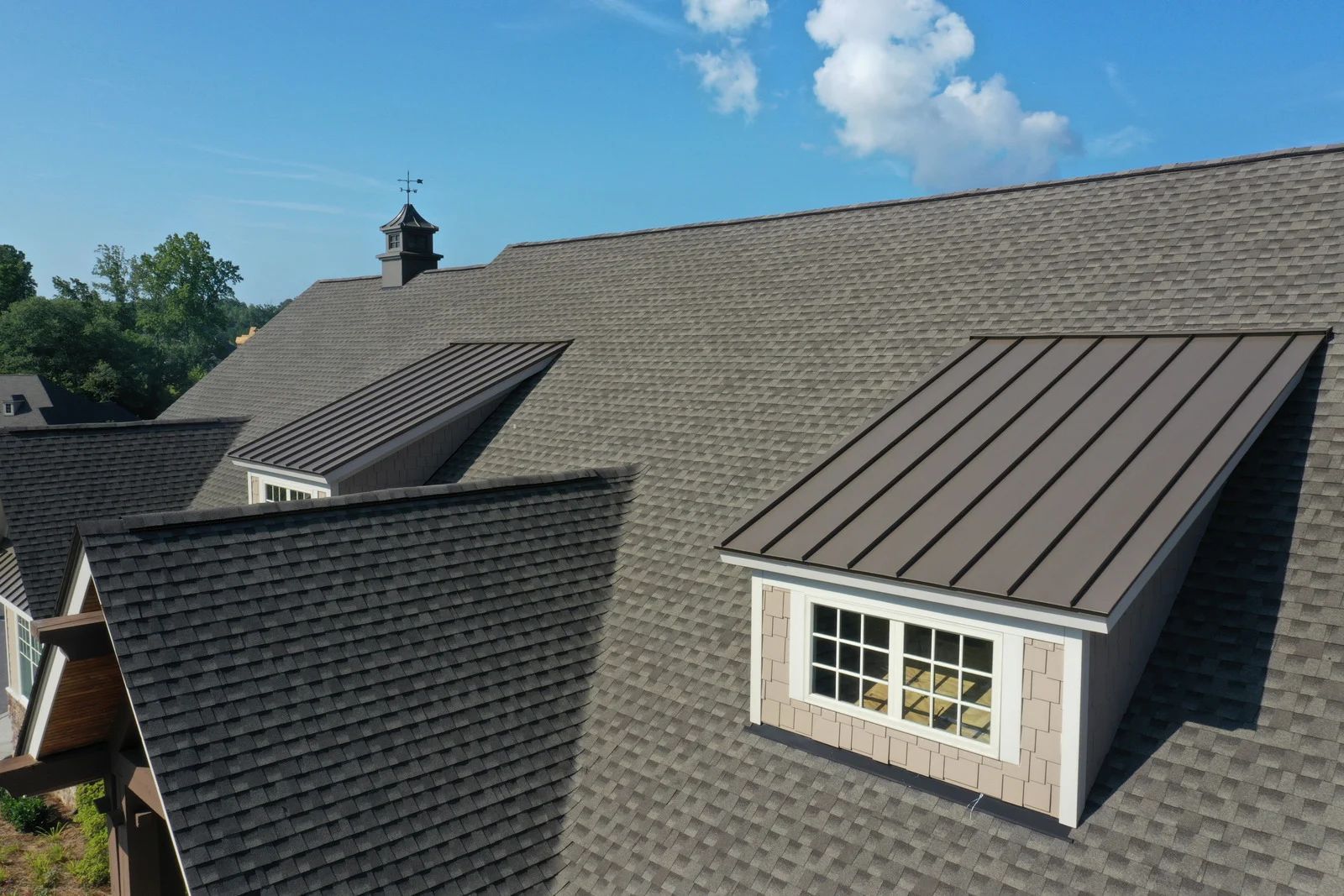
Roofs often feature transitions, such as valleys, hips, and ridges, which require specialized panels or additional trimming. Careful planning ensures that these areas maintain a continuous protective barrier. Ridge caps, valley panels, and corner trims prevent water infiltration while preserving the roof’s aesthetic appeal. Correctly executing transitions minimizes the risk of leaks and improves overall durability.
Addressing Panel Expansion and Contraction
Metal roofing expands and contracts with temperature changes. Installing panels with slight spacing adjustments and using appropriate fasteners accommodates movement without compromising the roof’s integrity. Ignoring thermal expansion can result in warped panels, loosened fasteners, or buckling, reducing lifespan and performance. Accounting for this factor is a critical step that protects the long-term investment.
By following precise measurement, secure fastening, careful transition handling, and expansion considerations, homeowners can ensure the metal roof is installed safely, efficiently, and attractively.
Finishing Touches and Inspections
Installing Gutters and Trim
Gutters and trim complete the metal roof system, directing water away from the structure and protecting eaves and edges. Seamless gutters, drip edges, and corner trim add functional and visual appeal. Proper attachment prevents water damage to the roof deck, fascia, and foundation. Well-installed gutters reduce maintenance issues and extend the roof’s lifespan.
Inspecting Fasteners and Seams
Conducting a detailed inspection of fasteners, seams, and overlaps ensures each panel is properly secured and sealed. Loose screws, misaligned panels, or unsealed seams can lead to water infiltration and structural damage. A meticulous check guarantees the roof meets manufacturer specifications and industry standards for durability and performance.
Applying Sealants and Coatings
Applying sealants to seams, penetrations, and edges enhances waterproofing and corrosion resistance. Some metal roofs benefit from protective coatings that reduce UV damage, prevent rust, and improve energy efficiency by reflecting sunlight. These finishing touches contribute to a roof that performs optimally under various weather conditions while extending its service life.
Final Quality Assurance
Before considering the project complete, a comprehensive final inspection verifies installation quality. This includes assessing aesthetics, panel alignment, flashing integrity, ventilation, and drainage efficiency. Addressing minor adjustments immediately prevents future complications, protecting both the roof and the home. A thorough final review ensures a professional, long-lasting installation that meets homeowner expectations.
Post-Installation Maintenance and Care
Routine Cleaning and Debris Removal
Maintaining a metal roof begins with routine cleaning to remove leaves, branches, and other debris that can trap moisture or scratch the finish. Regular inspections, particularly after storms, help identify minor issues before they escalate. Cleaning also preserves the roof’s appearance and maximizes reflectivity for energy efficiency.
Checking for Loose Fasteners and Sealants
Over time, fasteners can loosen, and sealants may deteriorate. Inspecting screws, washers, and caulking ensures panels remain secure and waterproof. Replacing or tightening components promptly prevents leaks, rust formation, and structural damage, maintaining roof integrity for decades.
Addressing Rust and Corrosion
Although metal roofs resist corrosion better than other materials, prolonged exposure to moisture and environmental factors can lead to rust spots. Applying touch-up paint or rust inhibitors helps prevent spreading and preserves aesthetics. Proactive rust management extends the life of the roof and safeguards the underlying structure.
Monitoring Roof Expansion and Contraction
Temperature fluctuations cause ongoing expansion and contraction. Regular inspections of panel movement, fastener integrity, and seam alignment help address any issues resulting from thermal stress. Proper monitoring and timely adjustments maintain performance and prevent costly repairs over the roof’s lifetime.
By following structured maintenance routines, homeowners can ensure the metal roof continues to provide protection, energy efficiency, and visual appeal for years to come.
Trusted Roofing Professionals Safeguarding Your Home Investment
Metal roof installation is a complex but manageable process when approached with careful planning, precise execution, and attention to detail. From pre-installation assessment to post-installation maintenance, each step plays a vital role in ensuring a durable, efficient, and visually appealing roof. Understanding the process equips homeowners with the knowledge to anticipate challenges, make informed material choices, and ensure the final result aligns with both functional and aesthetic expectations. By adhering to best practices, metal roofs can offer decades of reliable performance, energy savings, and protection against harsh weather conditions.
For homeowners in Brookhaven and Jackson, Mississippi, T-Rob Roofing and Painting Services
provides 20
years of trusted expertise in
metal roof installation and maintenance. With a focus on quality workmanship, precise attention to detail, and commitment to customer satisfaction, we ensure every roofing project is completed efficiently and professionally. Our experience includes handling complex roof structures, selecting the best materials for specific needs, and providing guidance on long-term maintenance strategies. Choosing T-Rob Roofing and Painting Services
guarantees a reliable, attractive, and high-performing metal roof backed by years of proven experience and local insight, giving homeowners confidence in their investment.