
Metal Roofs vs Traditional Shingles: What You Need to Know
When it comes to roofing, homeowners face a critical choice that impacts both the aesthetics and functionality of their property: metal roofs or traditional shingles. Each option brings its own advantages, costs, and long-term implications. With advances in materials technology and evolving design trends, understanding the differences between these two popular roofing solutions has never been more important. A well-informed decision ensures not only durability and protection but also energy efficiency and financial value. This guide explores the key aspects of metal roofing and traditional shingles, providing homeowners, contractors, and property managers with practical insights to make the right choice for their specific needs.
The roofing industry has witnessed significant innovation over the past decade, with metal roofing emerging as a highly durable and energy-efficient alternative to asphalt shingles. However, shingles remain the go-to choice for many residential projects due to affordability and ease of installation. By examining factors such as lifespan, cost, environmental impact, maintenance requirements, and aesthetic appeal, this article aims to provide a comprehensive comparison. Whether you are replacing an aging roof or building a new home, understanding the nuances between these materials can save time, money, and potential headaches in the long run.
1. Longevity and Durability
Metal Roofs: Built to Last
Metal roofs are renowned for their exceptional longevity. Typically made from steel, aluminum, copper, or zinc alloys, they can last 40–70 years depending on material quality and maintenance. Metal roofing systems are resistant to cracking, shrinking, and eroding, making them ideal for regions with extreme weather conditions. They are also fire-resistant, with most metal roofs achieving a Class A fire rating, the highest standard available.
For instance, homeowners in areas prone to hail or heavy snow often choose metal roofs due to their resilience. Unlike asphalt shingles that can be damaged or lifted during storms, metal panels withstand significant impact without compromising the roof's integrity. Moreover, metal roofs are less likely to experience leaks because of interlocking panels and advanced sealing technologies.
Traditional Shingles: Reliable but Limited
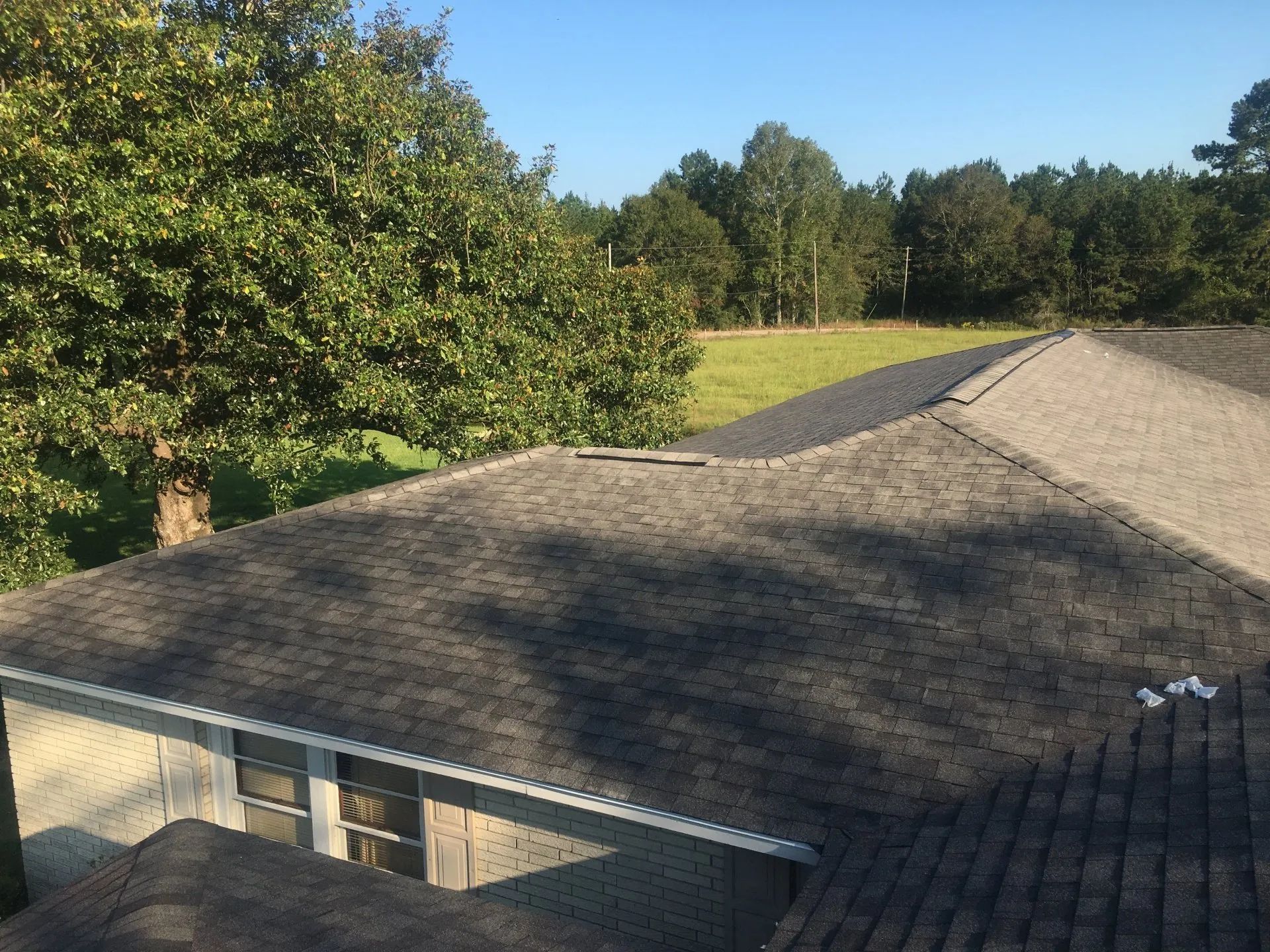
Traditional asphalt shingles generally have a lifespan of 20–30 years. While they are designed to protect homes effectively, they are more susceptible to wear and tear from weather extremes, such as high winds, hail, or prolonged sun exposure. Over time, shingles may curl, crack, or lose granules, which can compromise water resistance and lead to roof leaks. Regular inspections and maintenance are necessary to prolong their life, especially in climates with heavy rainfall or extreme heat.
2. Cost Considerations
Initial Investment
One of the primary distinctions between metal roofs and shingles is the upfront cost. Asphalt shingles are widely recognized for their affordability, with installation costs typically ranging from $3 to $5 per square foot. They are often preferred by homeowners with budget constraints who still want a dependable roofing solution.
Metal roofs, on the other hand, require a higher initial investment, averaging $7 to $12 per square foot depending on material type, finish, and complexity of installation. This higher cost can be a deterrent initially, but it must be weighed against the roof's extended lifespan and reduced maintenance needs.
Long-Term Financial Benefits
While metal roofs are more expensive upfront, they can offer considerable savings over time. Their durability reduces the likelihood of frequent repairs or premature replacement. Additionally, metal roofs often increase energy efficiency due to reflective coatings that reduce heat absorption, which can lower cooling costs in hot climates by 10–25%. Many homeowners also see higher resale value, as metal roofs are considered a long-term investment.
Shingles, while cheaper initially, may require multiple replacements over a 40–50 year period. Factoring in maintenance, repair costs, and potential damage from weather events, shingles can end up being more costly over the life of the roof despite the lower initial price.
Additionally, textured shingles can disguise minor imperfections or aging in the roof, extending the aesthetic lifespan and maintaining a polished, attractive look over time. This combination of color and texture ensures that shingle roofs are both visually appealing and versatile in design.
3. Energy Efficiency and Environmental Impact
Metal Roofs: Energy-Smart Choice
Metal roofs are highly energy-efficient due to their reflective properties. They deflect solar radiant heat rather than absorbing it, helping to maintain cooler indoor temperatures. Many metal roofing systems are designed with energy-efficient coatings, often eligible for Energy Star certification. For environmentally conscious homeowners, metal roofs are an attractive option because they are typically made from recycled materials and are 100% recyclable at the end of their life cycle.
Additionally, metal roofs are ideal for supporting solar panel installations, as their longevity aligns with the typical lifespan of solar systems. This combination can significantly reduce a home’s carbon footprint and electricity bills.
Shingles: Traditional Environmental Footprint
Asphalt shingles, although recyclable in some regions, contribute to landfill waste when removed. They absorb heat rather than reflect it, which can increase cooling demands in warm climates. Some manufacturers offer “cool shingles” with reflective granules to improve energy efficiency, but they generally do not match the performance of metal roofing in this regard. Homeowners prioritizing sustainability may find shingles less environmentally favorable, though their widespread availability and lower material costs make them a conventional choice.
4. Maintenance and Repair
Metal Roofs: Minimal Maintenance
Metal roofs are generally low-maintenance, requiring only periodic inspections for loose fasteners or minor scratches. Their non-porous surface prevents moss, algae, and fungal growth, which are common problems with traditional shingles. In addition, metal panels are less prone to water damage, reducing the risk of leaks and costly repairs.
However, it is important to note that while metal roofs are durable, improper installation can lead to issues such as panel warping or noise problems during rain. Hiring a qualified roofing contractor ensures correct installation and optimal performance.
Homeowners increasingly value eco-friendly choices, and a roof that demonstrates environmental consideration can enhance a home’s desirability. For neighborhoods emphasizing green living, energy-efficient shingles can make a home stand out, combining visual appeal with functional benefits.
Shingles: Regular Upkeep Required
Asphalt shingles require more frequent attention to maintain their effectiveness. Regular inspections are necessary to identify damaged or missing shingles, especially after storms. Cleaning gutters and removing debris is essential to prevent water backup, which can lead to leaks or structural damage. While repairs are generally straightforward and inexpensive, cumulative maintenance costs over the years can add up. Shingles are also susceptible to mold and algae growth, particularly in humid climates, which can affect both appearance and functionality.
5. Aesthetic Appeal and Design Flexibility
Metal Roofs: Modern and Versatile
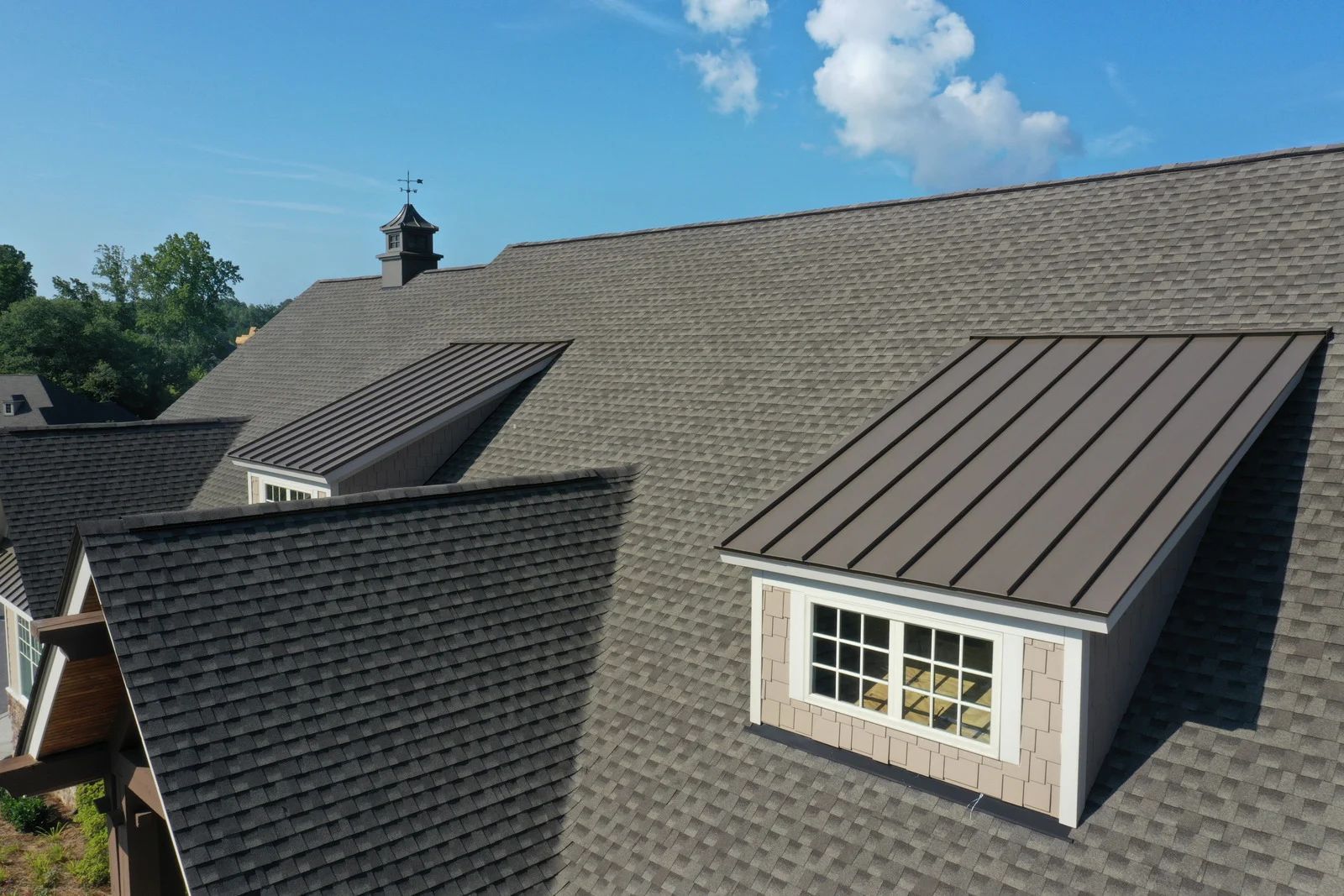
Modern metal roofing comes in a variety of styles, colors, and finishes, allowing homeowners to match architectural aesthetics with contemporary or traditional designs. Options include standing seam panels, corrugated sheets, and metal shingles designed to mimic the look of wood, slate, or tile. This versatility makes metal roofing suitable for a wide range of residential and commercial applications.
Homeowners who prioritize curb appeal often choose metal roofing for its sleek lines and customizable appearance. Its ability to maintain color and finish over time ensures the home retains a polished look for decades.
Shingles: Classic Charm
Traditional asphalt shingles provide a classic, familiar appearance that complements many home styles. They are available in an extensive palette of colors, patterns, and textures, including architectural shingles that add depth and dimension. Shingles are ideal for homeowners seeking a traditional aesthetic, and they offer easier integration with common roofing accessories like skylights, vents, and chimneys.
However, shingles may fade over time, and extreme weather can damage their appearance, requiring replacement or repair to maintain visual appeal.
6. Weather Resistance and Performance
Metal Roofs: Superior Weather Protection
Metal roofing is highly resilient against extreme weather events. It resists wind uplift, hail impact, and heavy snowfall, making it a preferred choice in regions prone to storms or seasonal extremes. Properly installed metal roofs allow snow and rain to slide off easily, reducing stress on the roof structure and preventing water accumulation that can cause leaks or damage.
Additionally, metal roofs are non-combustible, which adds a layer of fire safety. In wildfire-prone areas, this feature can be crucial for protecting homes and property.
Shingles: Reliable but Vulnerable
While asphalt shingles provide adequate protection under normal conditions, they are more vulnerable to extreme weather. High winds can lift shingles, leading to exposure of the underlayment and potential leaks. Hail can crack or puncture shingles, especially older or lower-quality options. In snowy regions, shingles may retain moisture, contributing to ice dams and subsequent roof damage. While repairs are possible, repeated weather-related damage can reduce roof lifespan and increase overall costs.
Experience-Driven Roofing Services Focused on Excellence
Choosing between metal roofs and traditional shingles involves balancing factors such as cost, durability, energy efficiency, maintenance, and design preferences. Metal roofs excel in longevity, energy savings, and resistance to extreme weather, making them an ideal long-term investment. Asphalt shingles, by contrast, offer affordability, classic appeal, and ease of installation, which makes them suitable for budget-conscious projects and traditional home styles. Understanding the trade-offs and benefits of each option allows homeowners to select the roofing solution that best fits their climate, budget, and aesthetic goals.
At T-Rob Roofing and Painting Serviceswe bring 20years of experience delivering exceptional roofing solutions to Brookhaven and Jackson, Mississippi. Our team combines expert knowledge with industry-leading materials to provide durable, reliable, and visually appealing roofs. Whether you are considering a high-performance metal roof or a classic shingle installation, we guide clients through every step of the process, from material selection to professional installation. Trusted by local homeowners for two decades, T-Rob Roofing and Painting Services
ensures your roof provides long-lasting protection, efficiency, and beauty.