
Common Myths About Storm Damage Roof Repairs
Severe storms can wreak havoc on your roof, leading to leaks, missing shingles, and other damage. Misinformation about storm damage repairs can lead to delays and worsen existing problems. Let's discuss some common myths and understand why taking timely action is crucial. Addressing even seemingly minor roof damage quickly is essential, as a small leak can quickly escalate into extensive water damage. Don't underestimate the risks; protect your home by prioritizing roof repairs after a storm.
Myth 1: Minor Damage Can Wait
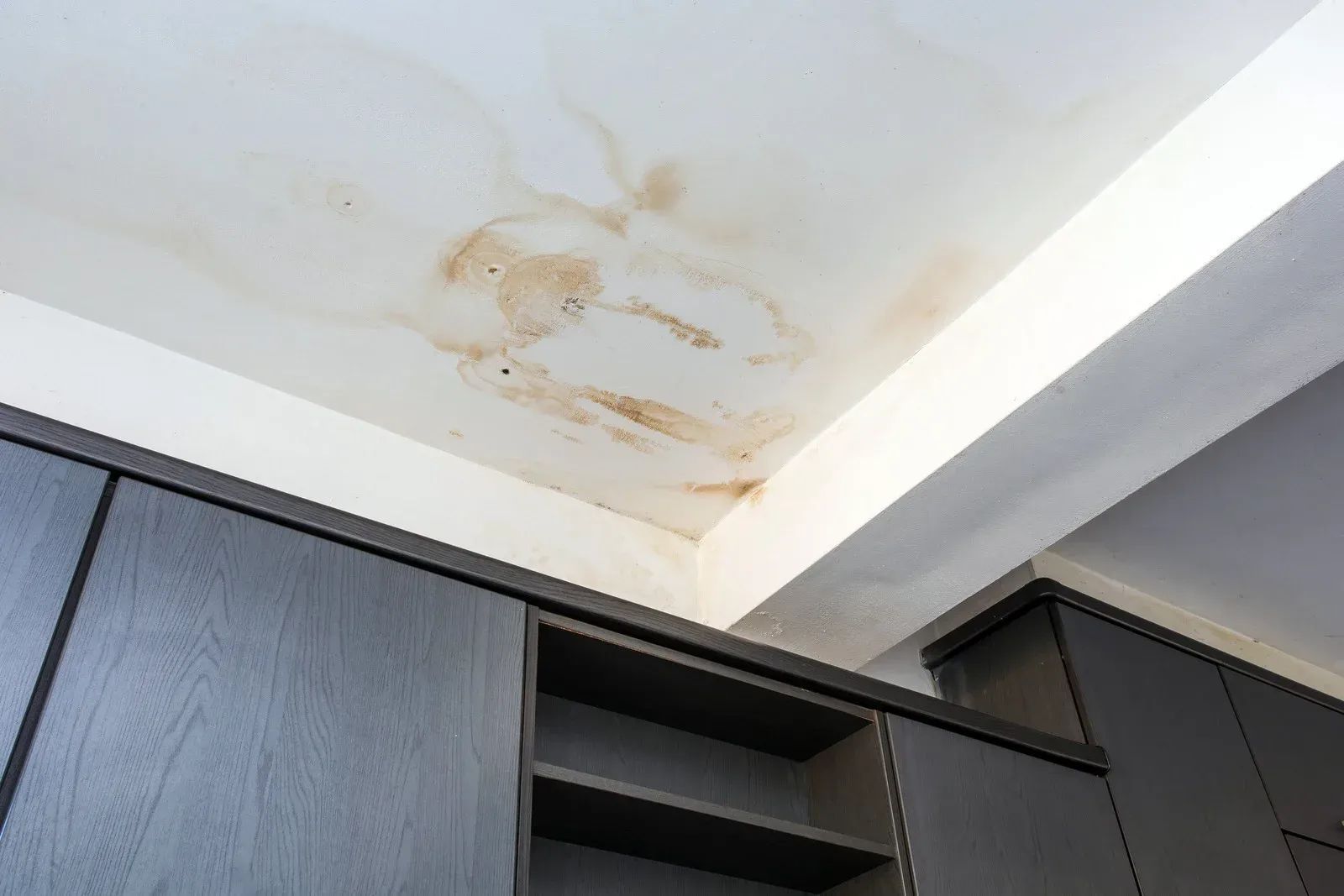
Even seemingly minor damage, like a few missing shingles, can turn into major problems if left unaddressed. Tiny leaks can lead to water damage within your walls, compromising insulation and promoting harmful mold growth. Don't underestimate the importance of fixing even small issues promptly to prevent major headaches down the road.
Myth 2: DIY Repairs Are Sufficient
While fixing smaller home improvement projects yourself can be rewarding, roof repairs, especially after storm damage, are often best left to professionals. Experienced roofers know how to properly assess damage, work safely at heights, and execute repairs that comply with building codes. Attempting a DIY fix could put yourself at risk and potentially worsen the problem.
Myth 3: My Insurance Won't Cover Storm Damage
Many standard homeowners insurance policies cover storm-related damage to your roof. It's crucial to review your policy carefully and contact your insurance provider as soon as possible after a storm. They'll likely send an adjuster to evaluate the damage and determine your eligibility for coverage.
Myth 4: It's Cheaper to Replace the Entire Roof
While a complete roof replacement might be necessary in cases of extensive damage, targeted repairs can often suffice. A reputable roofing contractor will thoroughly inspect and provide honest recommendations on whether partial repairs or a complete replacement is the most cost-effective and appropriate solution for your specific situation.
Myth 5: Seeking Multiple Estimates Is a Waste of Time
When facing storm damage repairs, it's wise to get several estimates from different reputable roofing contractors. This allows you to compare prices, materials, and warranties. Don't get pressured into choosing the very first contractor you meet with. Take your time to make an informed decision.
Navigating Storm Damage Roof Repairs
Dealing with storm damage to your roof can be stressful. Here are a few tips:
- Stay Safe: Don't attempt to climb on your roof for inspection, especially if it's still wet or there's visible damage.
- Document Everything: Take detailed photos and videos of the damage for insurance purposes.
- Choose a Reputable Contractor: Research contractors, check references, verify their license and insurance, and carefully review contracts before signing.
Protect Your Home and Peace of Mind
Don't let false information delay your
storm damage roof repairs. Proactive action will help minimize further damage and restore the integrity of your roof. By choosing experienced professionals and making informed decisions, you'll get your home back to its best condition in no time and have peace of mind knowing it's protected.